The point
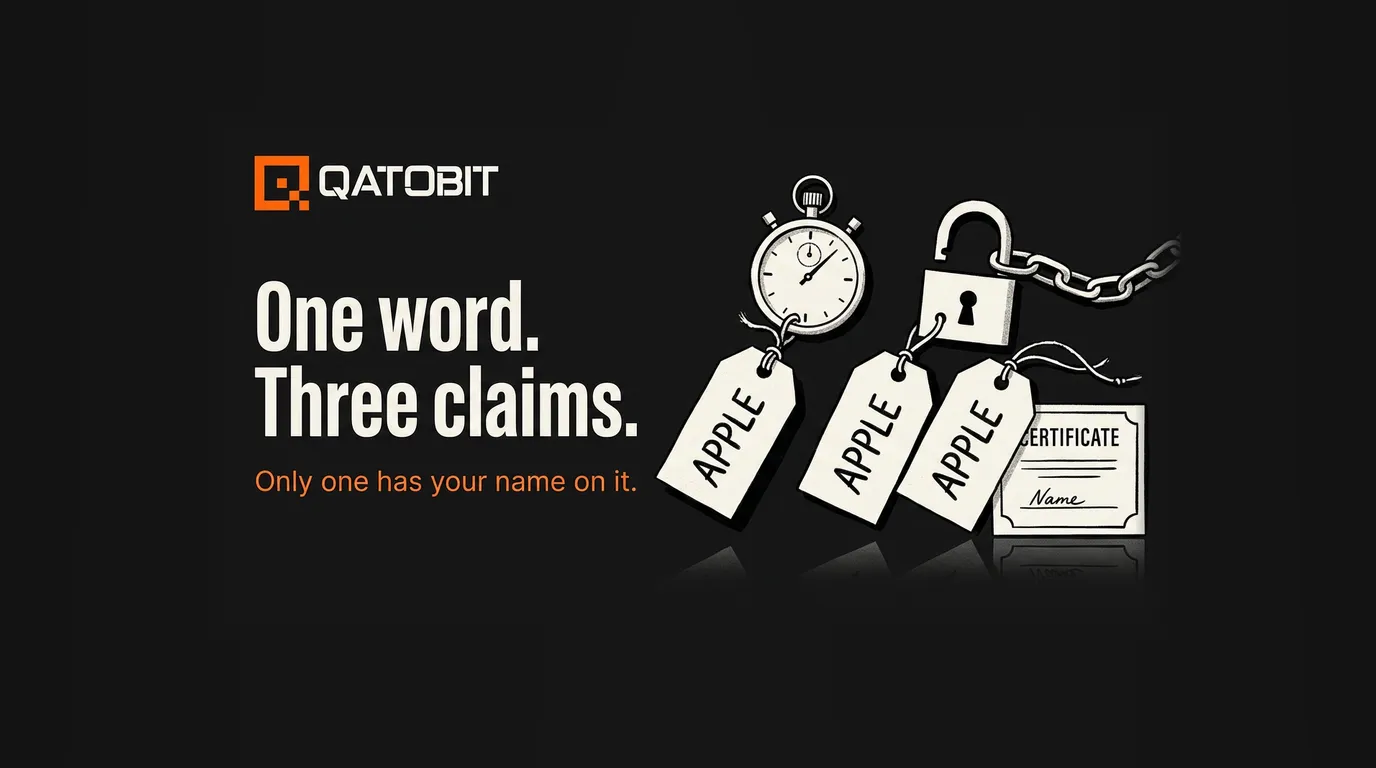
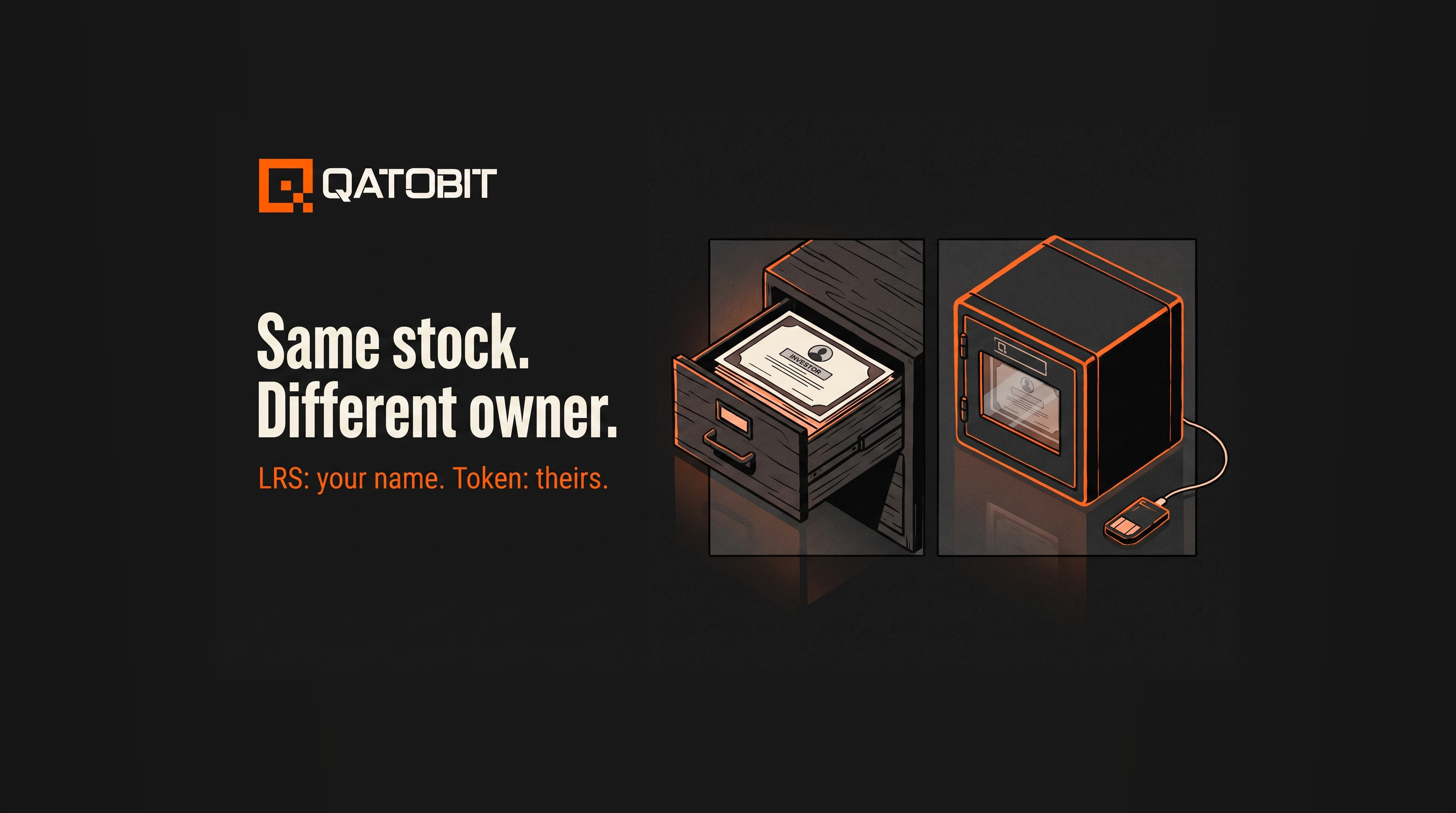
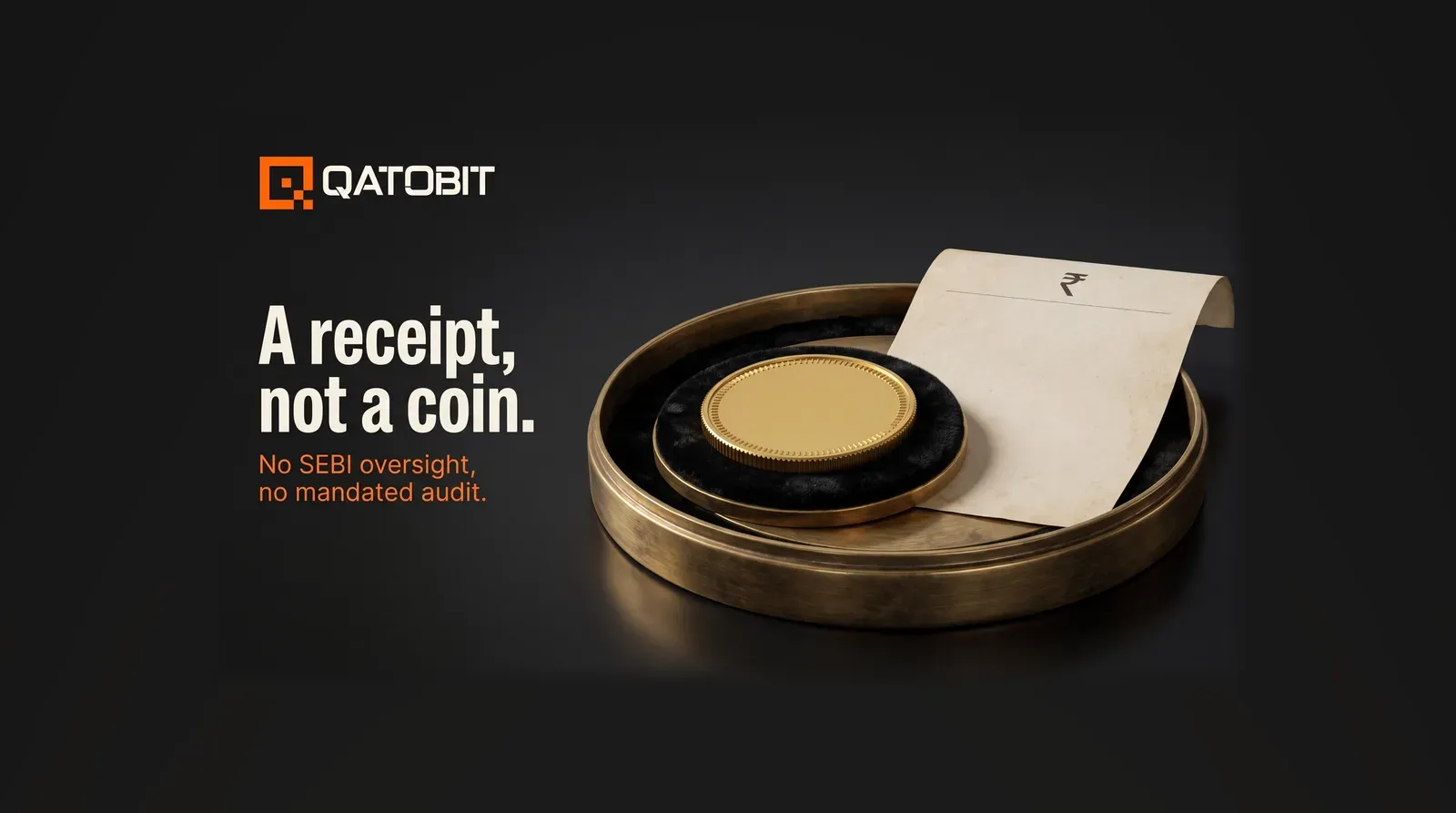
Digital gold from MMTC-PAMP, Augmont or SafeGold is legal to buy in India, but it sits entirely outside SEBI and RBI oversight, a gap the market regulator confirmed directly in a November 2025 advisory. That is different from a gold ETF, a SEBI-regulated fund, and different again from a blockchain gold token like PAXG, checked by an outside accounting firm every month. What you are actually buying is a receipt against a private company's vault, not a share in either of those systems.
What "digital gold" means in India
Three companies sit behind almost every digital gold app sold in India: MMTC-PAMP, Augmont, and SafeGold (branded as Digital Gold India Pvt. Ltd. on some platforms). Paytm, PhonePe, Groww, Motilal Oswal, Upstox and most jewellers route their digital gold offering through one of these three. You buy for a small amount, sometimes as little as one rupee, and the company credits your account with a fractional claim on gold it says it holds in a vault at a stated purity, typically 24 karat.
The company is the counterparty. Not a mutual fund, not a trust with an independent trustee, not a bank. You are trusting MMTC-PAMP, Augmont or SafeGold to hold gold matching every customer's balance and to make good on your claim when you sell or ask for physical delivery. Digital gold in India moved roughly 9,000 crore rupees of investor money in the first nine months of 2025 alone, most of it flowing through apps built on these three companies' gold (Open magazine, read 2026-09-10).
Why no regulator checks that claim
SEBI settled the question directly on November 8, 2025: digital gold products are "not recognised as securities or regulated commodity derivatives under existing laws," and an investor buying one "will not be covered by any investor protection mechanisms available in the securities market" (Business Today's coverage of SEBI's advisory, read 2026-09-10). The RBI has no claim either, because digital gold is not a deposit, a payment instrument or a banking product. It falls into a gap neither regulator was built to fill.
In practice, that gap means no law requires MMTC-PAMP, Augmont or SafeGold to publish an independent audit proving their vault holdings match customer balances, the way a gold ETF's SEBI-registered custodian must. A gold ETF is a fund. It holds physical gold with a regulated custodian, reports its holdings, and its units trade on the NSE or BSE like a stock. Digital gold has none of that structure. SEBI's own advisory pointed buyers toward gold ETFs and Electronic Gold Receipts as the regulated alternative (Business Today, read 2026-09-10).
The case for digital gold
You can start with one rupee, with no demat account, no locker, and no purity check to run yourself. The app shows a live price, and selling back to the platform is instant. For someone building a small, recurring gold habit who would otherwise buy nothing at all, digital gold lowers the entry bar further than a gold ETF or a jeweller's counter does.
What the buyer does not see
The cost of that convenience shows up in places a buyer rarely checks before clicking buy.
- A spread of roughly 2 to 5 percent typically separates the buy price from the sell price quoted on the same day, before gold has moved at all (Jumpp Finance, read 2026-09-10).
- A mandatory 3 percent GST applies to every purchase, with no minimum threshold below which it is waived, and it is not refunded when you sell (IIFL, read 2026-09-10).
- Spread and GST together can run 5 to 7 percent of what you put in, a gap the gold price has to close before you are holding any real gain (Jumpp Finance, read 2026-09-10).
- Storage is usually free for the first 3 to 5 years, after which annual charges of about 0.3 to 0.4 percent apply, and several platforms cap total holding around 5 to 7 years, after which you must sell or convert to physical gold (Jumpp Finance and OroPocket, read 2026-09-10).
- Converting to physical gold means minting, making and delivery charges on top, and GST applies to those charges too. A conversion into jewellery specifically attracts the standard 5 percent making-charge GST (IIFL, read 2026-09-10).
These costs sit in the app's fine print rather than in a standardized disclosure, because a SEBI-regulated fund must publish that disclosure and a private company selling an unregulated gold receipt is not required to.
How digital gold is taxed in India
Digital gold behaves at tax time in the opposite direction from what a crypto investor might assume. It is a capital asset, not a virtual digital asset, so none of the VDA tax machinery written for crypto applies to it. Section 115BBH's flat 30 percent rate, the 1 percent TDS under Section 194S, and the ban on offsetting a loss against other income are rules the Income Tax Act wrote specifically for a virtual digital asset, and digital gold does not meet that definition.
Ordinary capital gains rules apply instead. Sell digital gold within 24 months of buying it and the gain is added to your income and taxed at your income tax slab rate. Hold it longer than 24 months and the gain is long-term, taxed at a flat 12.5 percent with no indexation benefit, the rate and holding period the Union Budget set from July 2024 onward for gold along with most other capital assets (ClearTax's guide to gold taxation in India, read 2026-09-10). No TDS is withheld on a digital gold sale the way 1 percent is withheld on a crypto sale under Section 194S. A loss on digital gold can be set off against other capital gains and carried forward, a relief Section 115BBH explicitly denies a crypto seller.
Two different assets, both marketed as an investment, are taxed under two entirely different chapters of the same law. That distinction rarely makes it into a five-second app pitch.
Digital gold vs a tokenized gold coin like PAXG
Both promise gold you never touch. The instruments underneath are not close to the same thing.
Digital gold from MMTC-PAMP, Augmont or SafeGold is a claim against an Indian company that faces no mandated independent audit of its gold holdings, redeemable for physical coins or bars at thresholds that vary by app and SKU but commonly start around half a gram to a few grams (OroPocket, read 2026-09-10).
PAXG, a tokenized gold coin issued by Paxos, is a claim against specific, allocated bars held in Brink's vaults in London. Paxos states that it publishes attestation reports each month, and reports posted on or after February 28, 2025 are issued by KPMG LLP, which checks that the stated balance matches what it was shown. That is a lighter check than a full audit, but it is a recurring, published one (Paxos transparency reporting, read 2026-09-10). Redeeming PAXG for physical metal requires a minimum of 430 tokens, close to one full Good Delivery bar weighing about 13.4 kilograms, because Paxos cannot cut a bar down for a smaller request. The redemption fee runs around 15,000 dollars per request, and the all-in cost of redeeming works out to roughly 1.5 to 2.5 percent of the value redeemed (Paxos transparency reporting, via internal research read 2026-08-28).
Indian digital gold is built for a buyer who wants a coin in hand. PAXG is built for moving large blocks of value on-chain, with a recurring, published check that Indian digital gold does not carry. Neither one is a gold ETF, and neither is SEBI-regulated the way an ETF is. The difference between tokenized gold and a gold ETF and how tokenized gold works cover the tokenized side in more depth.
Digital gold vs physical gold
Digital gold removes the theft and purity risk of a coin sitting in a locker, but it also removes possession. You own an entry in a company's database until you ask for delivery, at which point the minting and delivery charges above apply. Physical gold carries its own making charges on jewellery and no ongoing storage fee if you hold it yourself, but it carries the locker cost and insurance most digital buyers were trying to avoid in the first place. Neither route escapes the 3 percent GST charged at purchase. The regulated alternative to both, a Sovereign Gold Bond, has not seen a new tranche issued since February 2024, with no fresh issuance calendar announced since, though bonds already issued keep paying interest and trading on the NSE and BSE until maturity (GoldenPi, read 2026-09-10).
Where a rules-based allocation view fits
Gold still has a place in a portfolio. The question is which instrument you are holding and what regulator, if any, stands behind it. What is a crypto index? covers a different way to size an allocation: QSI Core holds Gold as one of four assets, alongside Bitcoin, Ethereum and a stable reserve, weighted by a published methodology and rebalanced monthly rather than bought as a single lump-sum decision. That is a structural difference in how the allocation is sized and maintained, not a claim about which asset performs better.
Frequently asked questions
Is digital gold safe in India?
It is legal, but no regulator, neither SEBI nor RBI, oversees it, and no law requires the issuing company to publish an independent audit of its vault holdings. That is a materially different kind of safety from a SEBI-regulated gold ETF.
Is digital gold the same as a gold ETF?
No. A gold ETF is a SEBI-regulated fund that holds physical gold with a registered custodian and trades on the NSE or BSE. Digital gold is an unregulated receipt issued by a private company such as MMTC-PAMP, Augmont or SafeGold.
How is digital gold taxed in India?
As a capital asset, not a virtual digital asset. Sell within 24 months and the gain is taxed at your income slab rate. Hold longer than 24 months and the gain is long-term, taxed at a flat 12.5 percent with no indexation.
What is the difference between digital gold and PAXG?
Digital gold is a claim against an Indian company with no mandated independent audit and a redemption threshold of a few grams. PAXG is a claim against allocated bars in a London vault, covered by a monthly KPMG attestation, with a 430-token minimum for physical redemption.
Can I hold digital gold indefinitely?
Usually not. Most platforms store it free for 3 to 5 years, then charge an annual storage fee, and several cap total holding around 5 to 7 years, after which you must sell it back or pay to convert it to physical gold.
Crypto investments are subject to market risk. Not financial advice.
“A better allocation begins with a better explanation.”
Qatobit principle
Published construction. Fixed cadence. Versioned control.