The point
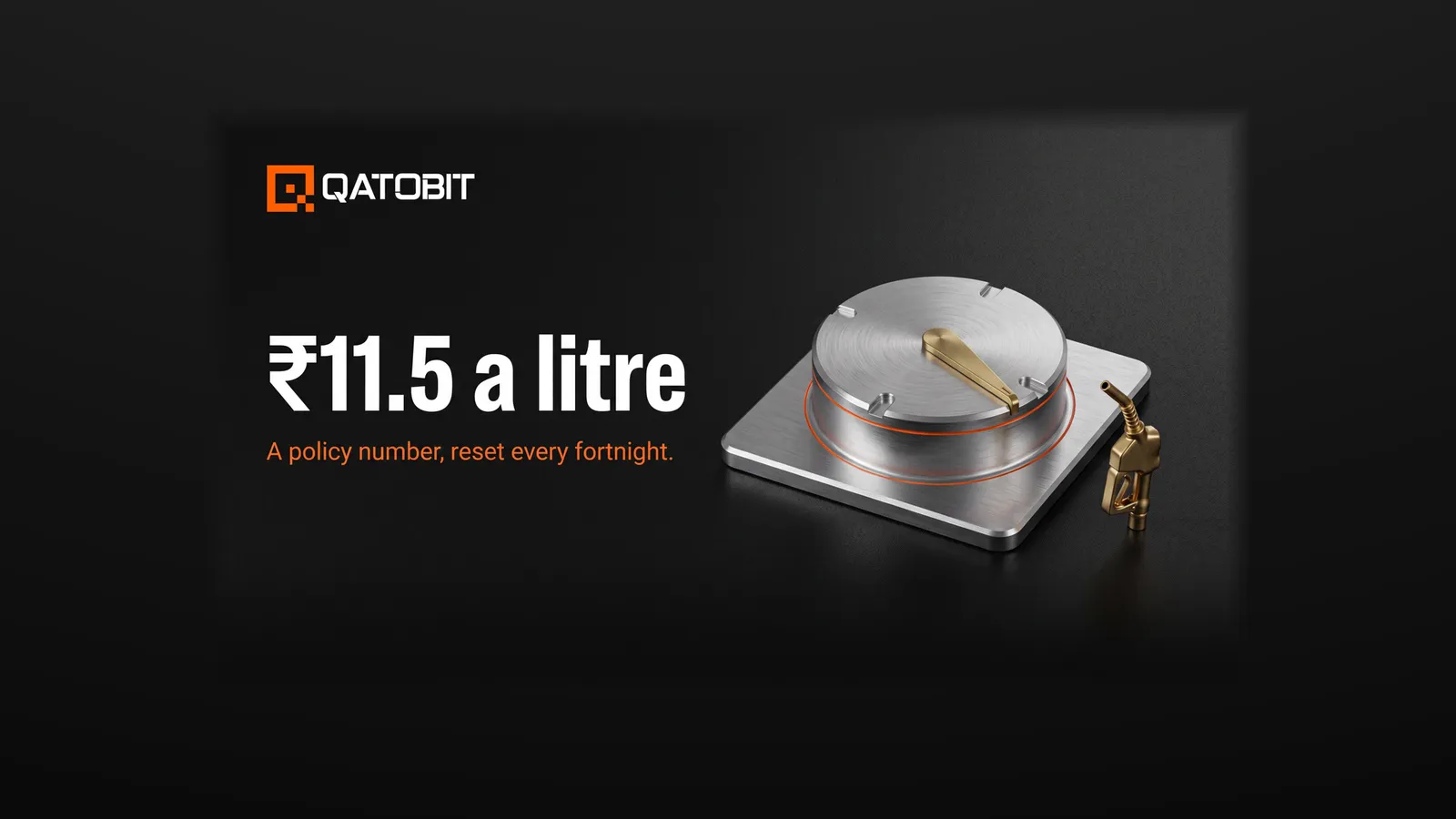
India taxes diesel exports at ₹11.5 a litre, up from ₹8.5, for the fortnight that began on 31 October 2026. The combined special additional excise duty and road and infrastructure cess is the windfall tax, and the government reviews it every two weeks. Petrol exports now pay nothing, down from ₹2.5 a litre, and aviation turbine fuel pays ₹11 a litre, up from ₹10.5.
What is the windfall tax on fuel exports?
It is an export duty that takes a slice of the extra price a refiner earns when it sells fuel abroad. A refiner that can sell diesel overseas at a high world price has little reason to sell it at home for less. The duty narrows that gap.
According to the Finance Ministry notification as reported by Business Today, the new rates apply from 31 October and run for one fortnight. The Finance Ministry also said that duty rates on petrol and diesel cleared for domestic use did not change. Only exports are affected.
Source: Business Today, read 2 November 2026.
Why does the government charge it?
The stated purpose is supply at home. The Tribune's PTI report says the duties began on 27 March amid tensions in West Asia. They covered diesel and aviation turbine fuel, and the rates are revised every fortnight. The petrol levy followed from 16 May.
The same report says the tax was imposed to boost domestic availability and to stop exporters taking undue advantage of price differences after global crude prices rose. Making exports less attractive keeps more fuel in the domestic market.
Source: The Tribune (PTI), read 2 November 2026.
What are the three rates in the 31 October notification?
The rates differ by fuel, and each moved in a different direction.
- Diesel exports: ₹11.5 a litre, up from ₹8.5 a litre. This is the sharpest rise of the three.
- Aviation turbine fuel exports: ₹11 a litre, up from ₹10.5 a litre.
- Petrol exports: nil, down from ₹2.5 a litre.
Source: Business Today and The Tribune (PTI), both read 2 November 2026.
Mint reported that a higher diesel export duty can put pressure on the export realisations of refiners, while the petrol cut would bring some relief. It named Indian Oil Corporation, Bharat Petroleum and Hindustan Petroleum as the listed companies to watch. That is the newspaper's reading. The levy sets a cost per litre, and what it does to a company's profit depends on how many litres it exports.
Source: Mint, read 2 November 2026.
What does ₹3 of extra duty a litre cost an exporter?
It costs the exporter the extra rate multiplied by the litres shipped. The cargo below is an illustration, not a figure from any company.
Take a cargo of 1,00,000 litres of diesel:
- At ₹8.5 a litre, the duty is 1,00,000 multiplied by 8.5, which is ₹8,50,000.
- At ₹11.5 a litre, it is 1,00,000 multiplied by 11.5, which is ₹11,50,000.
- The difference is ₹3,00,000 on that one cargo.
Run the same cargo as petrol. At ₹2.5 a litre the duty was ₹2,50,000, and at nil it is zero, so the exporter keeps ₹2,50,000 that it paid before.
A refiner ships many cargoes across the three fuels, so the net effect is a sum of lines like these. The three lines moved in different directions in a single notification, which is why a headline saying "windfall tax raised" tells you very little.
Why is this a position risk as well as a tax story?
The number changes on a schedule you do not control. Most inputs to a refiner's results, such as crude cost, refining margin and volumes, appear in its reports. An export duty reset every fortnight is a policy decision that sits outside those reports.
My view is that anyone holding a refiner in a direct equity book should treat the export duty as a separate line in the thesis. It is a cost per litre that a ministry can raise or cut within two weeks, and a company's last quarterly result does not contain next fortnight's rate.
That view has a limit. The duty can also fall, as it did for petrol, so the risk runs in both directions. The point is that one decision can move a position, and a holder should know how large that position is before the decision arrives.
How does a ₹1 crore portfolio size that risk?
Size it before the notification, as a share of the whole portfolio. A single name that you hold for a thesis and that carries a policy risk should have a weight you can defend without knowing the next rate.
Take a ₹1 crore portfolio with 3 percent in one refiner. That is ₹3,00,000. If a policy change took 10 percent off that position, the loss would be ₹30,000, which is 0.3 percent of the portfolio. The arithmetic is 3,00,000 multiplied by 0.10.
Now take the same refiner at 15 percent, which is ₹15,00,000. The same 10 percent move costs ₹1,50,000, or 1.5 percent of the portfolio. The 10 percent figure is an assumption for the example.
The policy is the same in both cases and the cost differs fivefold, because the weight differs fivefold. Concentration risk is the name for a position large enough that one decision decides the outcome.
What does a rule do that a headline cannot?
A rule fixes the weight before the headline. Portfolio rebalancing sells what has grown past its target and buys what has fallen below it. It runs on a schedule chosen in advance. One fortnightly decision then cannot quietly become the largest line in a book.
Qatobit applies the same discipline to crypto allocations. Qatobit designs and rebalances its QSI indexes monthly on a published methodology, so the weights come from a rule set before any notification.
An allocation set this way also answers the first question a reader should ask of any single holding: what the asset allocation decides before any pick.
What to check on a holding exposed to a policy number
Three checks take a few minutes and need no forecast.
First, write down the holding's weight as a percentage of the whole portfolio. Every other check depends on that figure.
Second, find the policy inputs that sit outside the company's reports: a duty, a price cap, a licence or a subsidy. List each with the body that sets it and how often it can change.
Third, compute the rupee cost of a 10 percent move on the position, as in the example above, and ask whether you would accept it without changing your thesis. If the answer is no, the weight is too high for the thesis.
The next question is how to set a target weight and a band for each position before a duty changes again.
Frequently asked questions
What is the windfall tax on diesel exports?
It is an export duty of ₹11.5 a litre, up from ₹8.5, for the fortnight that began on 31 October 2026. The figure combines a special additional excise duty with a road and infrastructure cess. It is reviewed every fortnight.
Why did the government impose a windfall tax on fuel exports?
According to PTI, it was imposed to boost domestic availability of petroleum products amid the West Asia conflict. It also aimed to stop exporters taking undue advantage of price differences as crude prices rose.
Does the windfall tax change petrol and diesel prices at the pump?
No change was made to the duty on petrol and diesel cleared for domestic consumption. The Finance Ministry said the latest revisions apply only to exports of the specified products.
How much does the export duty cost on 1,00,000 litres of diesel?
At ₹11.5 a litre it is ₹11,50,000. At the earlier ₹8.5 a litre it was ₹8,50,000, so the rise costs an exporter ₹3,00,000 on that cargo. The cargo is an illustration.
How can a portfolio hold a company exposed to a policy-set duty?
By fixing its weight before the policy changes. At 3 percent of a ₹1 crore portfolio, a 10 percent fall in the position costs ₹30,000. At 15 percent, the same fall costs ₹1,50,000.
Crypto investments are subject to market risk. Not financial advice.
“A better allocation begins with a better explanation.”
Qatobit principle
Published construction. Fixed cadence. Versioned control.