The point
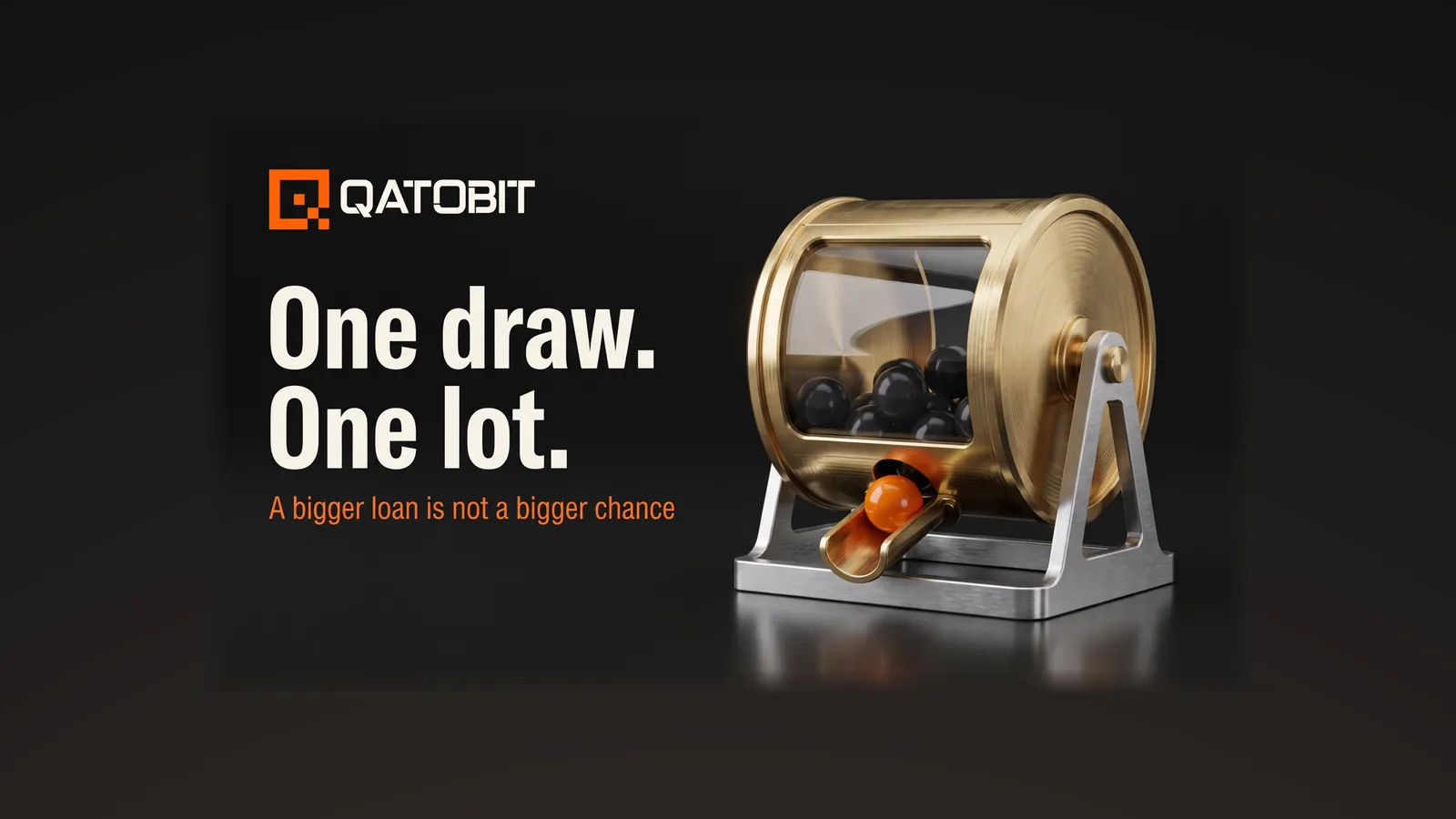
Borrowing to bid in an IPO makes your application larger and your cost certain, and it leaves your chance of allotment where it was. When the individual category is oversubscribed, the allotment rule hands out the minimum bid lot by lottery. A bid for 13 lots then wins the same one lot as a bid for one. IPO financing buys size, and size is not what the draw rewards.
Why does a bigger bid not improve your odds?
Because of the order in which the allotment rule works. Schedule XV of the ICDR regulations says allotment to individual investors "shall not be less than the minimum bid lot, subject to availability of shares". Only what is left after that is shared in proportion to bid size (Regulation 50 and Schedule XV, as published by ca2013.com, read 21 October 2026).
The Schedule works through a case where the category is oversubscribed so heavily that the shares cannot cover one lot for everyone. It has two lakh applicants for a pool that holds 35,00,000 shares at a minimum lot of 20 shares. That pool covers 1,75,000 lots, so 25,000 applicants get nothing. The Schedule says the investors who receive the minimum bid lot are "to be selected on lottery".
In a lottery round the winner receives one lot. The applicant who bid for 16 lots and the applicant who bid for one are both in the draw once, and both win one lot if they win.
What does a loan add, in rupees?
Take an illustration with round numbers, not a real issue. The category is oversubscribed 40 times, the minimum lot costs ₹15,000, and every applicant bids for the same size. Each applicant then has a 1 in 40 chance, which is 2.5 percent, of receiving one lot.
You can bid for one lot with your own cash. Or you can borrow to bid for 13 lots, which is ₹1,95,000 (13 × ₹15,000). The individual-investor ceiling is ₹2 lakh, so 13 lots is close to the most one application can hold. Your chance of receiving a lot stays at 2.5 percent in both cases.
Next, the cost of the loan. Assume an illustrative annual interest rate of 10 percent and a processing fee of 0.5 percent. Both figures are assumptions for this example. Your lender's terms will differ.
Interest per day is ₹1,95,000 × 0.10 ÷ 365, which is ₹53.42. Over a five-day loan that is ₹267. The processing fee is ₹1,95,000 × 0.005, which is ₹975. The total is ₹1,242, paid whether you win the lot or not.
So the borrowed bid pays ₹1,242 for the same 2.5 percent chance as the bid that cost nothing.
Where proportionate allotment does reward size
When the category is oversubscribed only a little, every applicant gets the minimum lot and the remaining shares are split in proportion to bid size. The Schedule's first example has the category oversubscribed 4 times, 20 shares as the minimum lot and 35,00,000 shares on offer. In it an applicant who bid for 320 shares gets 20 plus 38 more, and one who bid for 20 shares gets 20.
So size has a payoff in one narrow band, when there are enough shares for every applicant to receive one lot. A heavily oversubscribed issue is by definition outside that band.
What is the refund delay costing you?
The loan keeps running while your money is blocked. SEBI's circular SEBI/HO/CFD/TPD1/CIR/P/2023/140, dated 9 August 2023, cut listing to T+3. That is three working days after the issue closes (LiveLaw, read 21 October 2026). The same circular reset how investors are compensated when blocked funds are released late.
The delay is a few working days, and a lender charges for each calendar day of them. A loan with a minimum tenure charges for the whole tenure even when the refund arrives early. Check that clause before anything else. It is the one place a "five-day" loan quietly becomes a ten-day one.
There is a second risk before the draw. Business Standard reported on 7 August 2021 that banks struggled with more than 10 million applications in one IPO rush. It added that typically 30 percent of UPI-route applications in any IPO are rejected, for reasons such as multiple entries and name mismatch (Business Standard, read 21 October 2026). A rejected application still leaves you holding a loan.
What does an oversubscribed book tell you about the loan?
It tells you the draw is crowded, and crowded draws are where lenders advertise. Reuters reported on 19 October 2026 that the Jio Platforms anchor book drew bids over 30 times the anchor quota. Anchors were allotted shares worth over 81 billion rupees (Reuters via KFGO, read 21 October 2026). Anchor demand is its own category and says nothing precise about the individual category.
Business Standard's 2021 report also noted that heavy demand from large investors pushed up the borrowing rates of the NBFCs that fund them. Commercial paper rates rose by 200 basis points. A lender earns its interest whether or not your name is drawn.
What is the position, then?
Borrowing to bid swaps an uncertain gain for a certain cost, and the common view that a bigger bid is a bigger shot is wrong in a heavily oversubscribed issue. The one thing an applicant controls is a valid application, with PAN, name and bank details that match. That is free.
Where a loan is a reasonable tool is the opposite situation, an issue where oversubscription is mild and proportionate allotment rewards size. Even there, work the ₹1,242-style arithmetic first, with your own lender's rate and tenure.
A holder who wants a plan that does not depend on a draw can set the rule in advance. A Bitcoin SIP buys a fixed amount on a schedule you choose, and QSI Growth is a curated basket of digital assets that Qatobit rebalances monthly on a published methodology. You can invest in QSI Growth or start a Bitcoin SIP, and nothing about either waits on an allotment.
If your application does win a lot, read what a listing gain actually measures. Later comes how a lock-in period works once it ends. For a rule written before the market moves, read how a crypto index rebalances during a market crash.
Frequently asked questions
Does borrowing to apply improve your chance of allotment in an IPO?
No, not when the individual category is heavily oversubscribed. Schedule XV gives the minimum bid lot by lottery. A 13-lot bid and a 1-lot bid each win at most one lot, at the same 2.5 percent chance in a 40 times oversubscribed example.
What does IPO financing cost?
It costs interest for every day the loan runs plus a processing fee, whether or not you receive shares. In the illustration, ₹1,95,000 at 10 percent a year with a 0.5 percent fee costs ₹1,242 over five days. Your lender's rate and tenure will differ.
How many lots can an individual investor bid for?
Individual investors bid up to ₹2 lakh in an issue, per Business Standard's 2021 report and the Schedule XV example. At a ₹15,000 minimum lot that is 13 lots, which is ₹1,95,000.
When does a bigger IPO bid get more shares?
Only when oversubscription is low enough that every applicant gets the minimum lot and shares remain. Those remaining shares are split in proportion to bid size. In Schedule XV's first example, a 320-share bid gets 58 shares and a 20-share bid gets 20.
When do the unsuccessful applicants get their money back?
An issue lists three working days after it closes under SEBI's T+3 rule, and SEBI's circular sets compensation for late release of blocked funds. Interest on a loan keeps running until you repay it, so check the lender's minimum tenure.
Crypto investments are subject to market risk. Not financial advice.
“A better allocation begins with a better explanation.”
Qatobit principle
Published construction. Fixed cadence. Versioned control.