The point
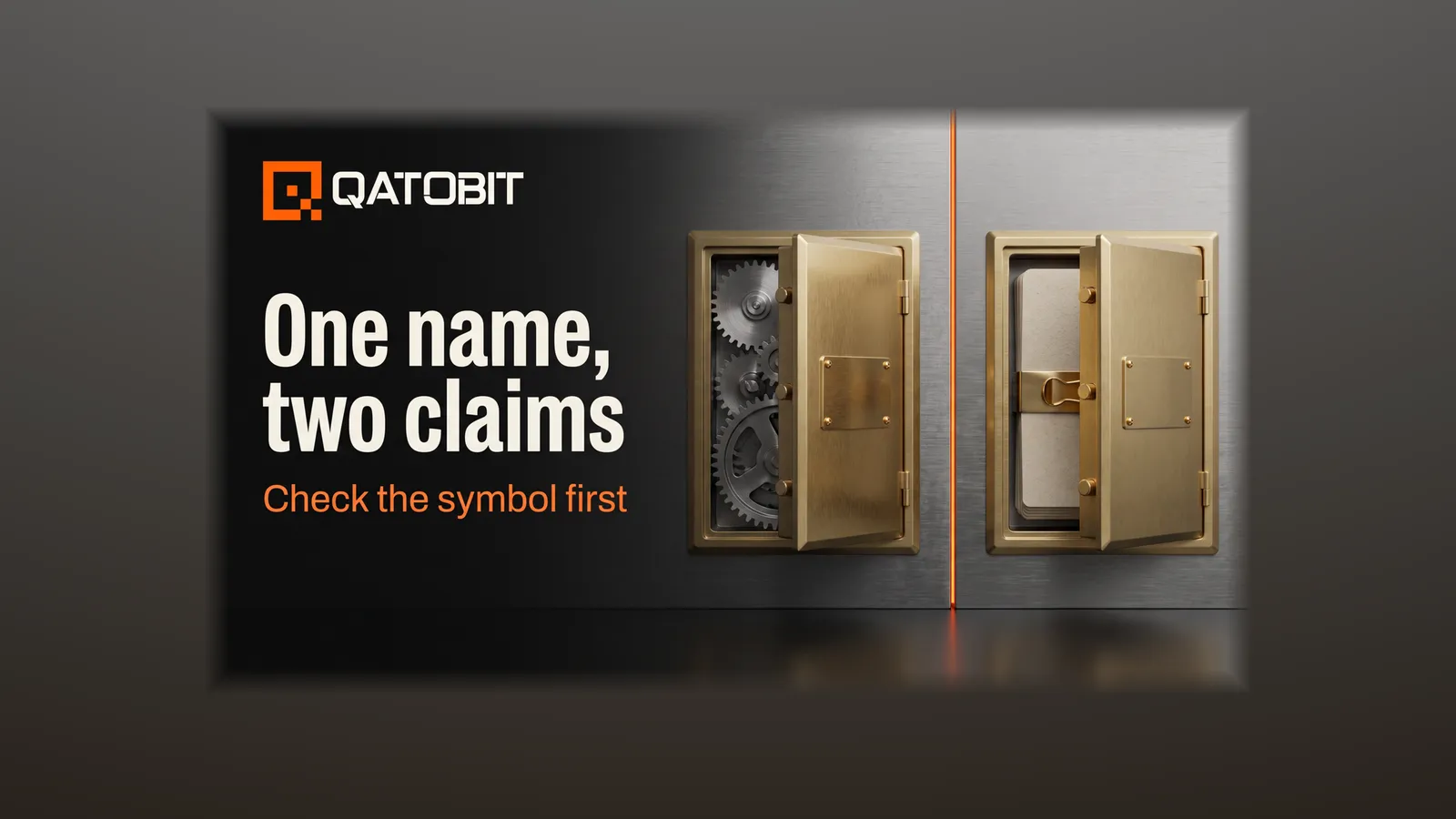
Jio share price now returns two different companies. Jio Platforms, the telecom and digital business, listed on the BSE and NSE on 28 October 2026 after an issue at ₹1,119 a share. Jio Financial Services has traded since 21 August 2023 and holds the financial businesses. A share of each is a claim on a different set of assets, so the first step is to check the symbol before the price.
Which company is a Jio share price quoting?
A Jio share price quotes whichever company's symbol you searched, and there are now two with the name on the label. The brand is shared, and the balance sheets are separate.
Jio Platforms Limited was incorporated on 15 November 2019. It trades under the NSE symbol JPL and the BSE code 545004. Its subsidiary Reliance Jio Infocomm served 533.3 million customers as of 30 June 2026.
Jio Financial Services came out of Reliance Industries as a demerger of the financial services business, effective at the close of 31 March 2023. It listed on 21 August 2023.
My view is that on a listing day the symbol is the only safe identifier. A price quoted without a symbol attached can belong to either company, and a screenshot in a group chat almost never carries one.
Source: Chittorgarh, Jio Platforms IPO page, https://www.chittorgarh.com/ipo/jio-platforms-ipo/3152/, read 28 October 2026. BW Businessworld, https://www.businessworld.in/article/jio-financials-gets-rbi-approval-for-core-investment-company-status-525870, read 28 October 2026.
What is each share actually a claim on?
A share is a claim on one company's assets and earnings, in proportion to the shares you hold. It is not a claim on a brand. Three different claims sit behind the Jio name.
Claim 1: Jio Platforms, the operating business
Jio Platforms describes itself as a technology company focused on digital connectivity, digital services and technology-led solutions. Its offerings cover mobile and fixed broadband, digital entertainment, cloud storage, enterprise connectivity, cloud and security services, and AI-based solutions.
The issue was entirely fresh capital: 27.00 crore new shares for up to ₹30,188 crore, with no existing shareholder selling. That means the money goes to the company, and the share count rose from 8,93,90,30,830 to 9,20,90,30,830.
At the issue price of ₹1,119, the post-issue share count gives a market value of ₹10,30,490.55 crore. The arithmetic is 9,20,90,30,830 shares × ₹1,119 = ₹10,30,490 crore. This is the value at the offer price, and says nothing about where the shares trade afterwards.
Claim 2: Jio Financial Services, a holding company
Jio Financial Services is built differently. The Reserve Bank of India approved its conversion from a non-banking financial company to a core investment company in July 2024. The RBI had mandated that step when it approved the change in shareholding after the demerger.
A core investment company is a category defined by the RBI. As YourStory reported from the RBI's own description, one of its conditions is that it holds not less than 90 percent of its net assets as investments in group companies. In plain words, the company mainly owns stakes in other companies.
So a Jio Financial Services share is a claim on the stakes it holds. A Jio Platforms share is a claim on a telecom and digital business. The two have no shared balance sheet.
Source: YourStory, https://yourstory.com/2023/11/jio-financial-services-seeks-rbi-nod-to-convert-from-nbfc-to-cic, read 28 October 2026.
Claim 3: Reliance Industries, the parent that holds Jio Platforms
Reliance Industries held 5,93,78,41,645 shares of Jio Platforms before the issue, 66.43 percent of the company. Business Standard's reading of the draft prospectus puts the stake at 64.48 percent after the full fresh issue. The check is 5,93,78,41,645 ÷ 9,20,90,30,830 = 64.48 percent.
At the issue price of ₹1,119, that stake is 5,93,78,41,645 × ₹1,119 = ₹6,64,444 crore. That same stake is already part of what a Reliance Industries share holds.
The new shares are 27.00 crore of 9,20,90,30,830, or 2.93 percent of the post-issue count. A listing day can look large because of the headline issue size. The portion that changed hands is small against what Reliance continues to hold.
Source: Business Standard, https://www.business-standard.com/markets/ipo/jio-nse-ipo-which-shareholders-stand-to-gain-most-126062200600_1.html, read 28 October 2026. Share counts and the issue price from Chittorgarh, same date.
What happens to your Reliance position when a subsidiary lists?
Your Reliance position stays a claim on all of Reliance, including its 64.48 percent of Jio Platforms. What changes is that the market now prices that subsidiary directly, every day, under its own symbol.
Take a portfolio of ₹1 crore with three percent in Reliance Industries. That is ₹3,00,000. Before the listing, the Jio value inside that position was never quoted on its own. After the listing, a separate number exists for it.
Buying Jio Platforms directly with another ₹3,00,000 at ₹1,119 gets you 268 shares (268 × ₹1,119 = ₹2,99,892). It also stacks a second claim on the same telecom and digital earnings on top of the one you already carry through Reliance. The portfolio now holds more Jio than the position sizes suggest.
The word for the gap between a parent's price and the value of what it holds is a holding company discount. The market sometimes values a parent below the sum of its listed parts, because the owner of the parts is not the owner of the cash they earn. A listed subsidiary makes the sum of the parts visible to anyone with a screen. It does not tell you whether the discount is fair, and I will not guess at it here.
How do you check which Jio you are looking at?
Run four checks before acting on any Jio price you see.
- Read the symbol. The NSE symbol for Jio Platforms is JPL and its BSE code is 545004. Jio Financial Services has its own symbol and code on both exchanges.
- Read the exchange. The same company shows slightly different prices on the BSE and NSE, so compare like with like.
- Read the company name in full on the order screen, not the ticker's nickname.
- Ask what the share is a claim on: a telecom and digital operating business, a holding company, or the parent that owns a majority of the first.
If you hold Reliance Industries, you hold the third claim already. Adding the first puts a second claim on one business in the portfolio. Adding the second brings in a different set of holdings.
The same question applies to a crypto position
The habit transfers. Before buying anything, ask what the unit is a claim on. A coin, a token that represents an asset, and a basket that holds several assets are three different claims that can share one name on a screen.
On Qatobit, QSI Core is described as a conservative crypto allocation with a structural Gold buffer: four assets, Bitcoin, Ethereum, Gold and a stable reserve, rebalanced monthly. The index page names every holding. That is the standard to hold any product to, a Jio share included.
Related reading on Qatobit covers what a gold price move says about the claim behind a gold holding. It also covers how a tokenised asset differs from the thing it represents. A third piece explains the rule a smart beta index uses in place of market cap.
Frequently asked questions
Are Jio Platforms and Jio Financial Services the same company?
No. Jio Platforms is the telecom and digital business, listed on the BSE and NSE on 28 October 2026. Jio Financial Services was demerged from Reliance Industries and listed on 21 August 2023. They have separate balance sheets and separate symbols.
What is the Jio Platforms issue price?
The issue price was ₹1,119 per share, with a fresh issue of 27.00 crore shares for up to ₹30,188 crore. That is the price at which the shares were allotted. It is not where they trade afterwards.
How much of Jio Platforms does Reliance Industries hold?
Reliance Industries held 66.43 percent before the issue. Business Standard's reading of the draft prospectus puts it at 64.48 percent after the full fresh issue of 27.00 crore shares.
What is a core investment company?
A core investment company is an RBI category for a company that mainly owns stakes in group companies. One condition is that it holds at least 90 percent of its net assets as investments in group companies. Jio Financial Services was approved for the conversion in July 2024.
Does holding Reliance already give me Jio exposure?
Yes. Reliance Industries holds a majority of Jio Platforms, so a Reliance share carries an indirect claim on it. Buying Jio Platforms as well adds a second claim on the same business to the position.
Crypto investments are subject to market risk. Not financial advice.
“A better allocation begins with a better explanation.”
Qatobit principle
Published construction. Fixed cadence. Versioned control.