The point
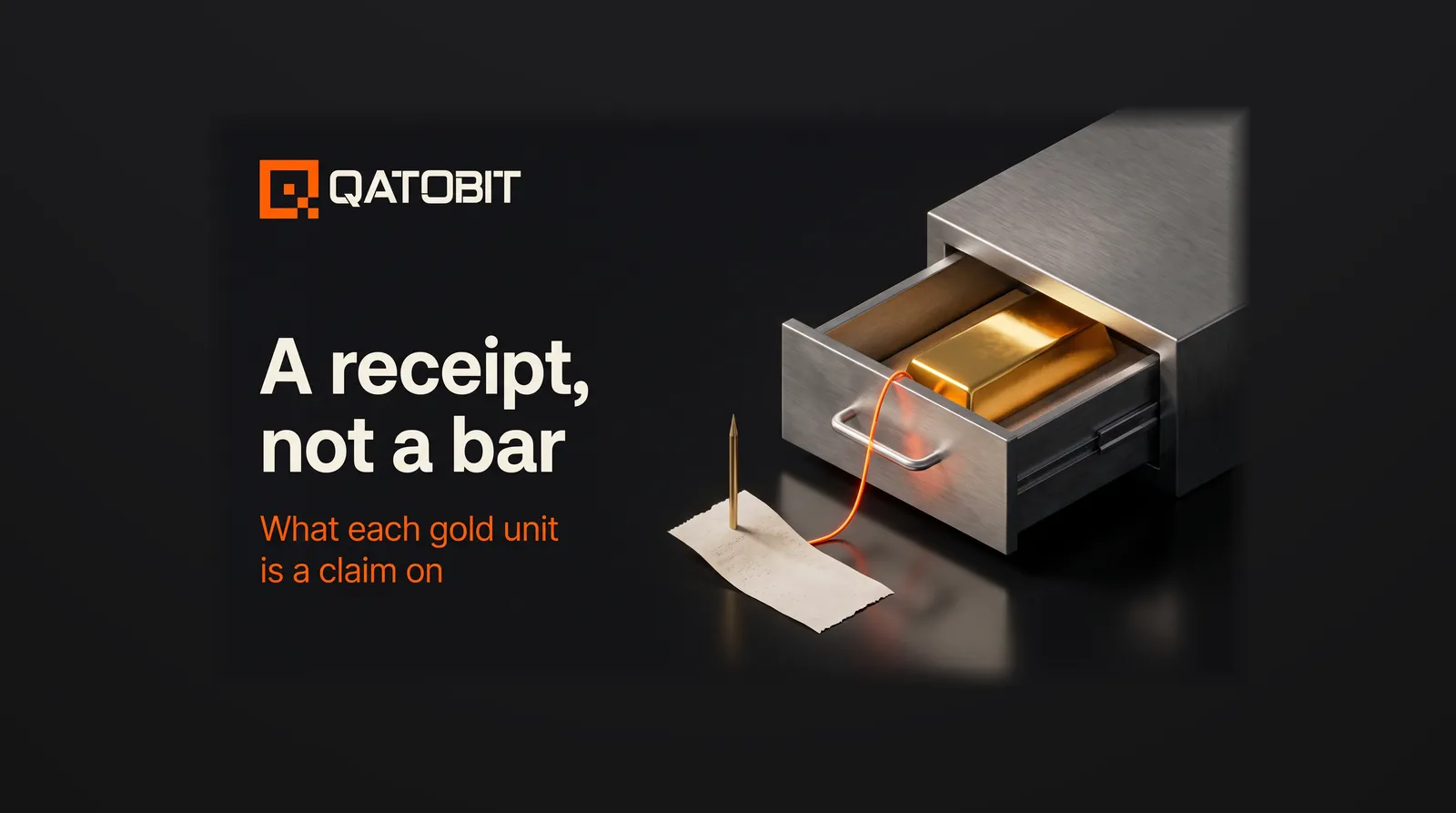
An electronic gold receipt is a security held in a demat account that represents physical gold kept by a vault manager. NSE reported 1,81,763 units traded on one day, worth Rs 26.46 crore, within six months of live trading starting. Each unit is a claim on gold of a stated purity and weight, not on one particular bar.
What does an electronic gold receipt represent?
It represents gold sitting in a vault, recorded as a security in your demat account. The Economic Times describes Electronic Gold Receipts as securities that represent ownership of physical gold stored in vaults accredited by SEBI, held in a demat account the way shares are.
The product is new. NSE began live trading on 18 May 2026, and the ET report of 6 November 2026 says the contract recorded 1,81,763 units worth Rs 26.46 crore on Dhanteras (source: economictimes.indiatimes.com).
Divide the value by the units and the implied average comes to about Rs 1,456 a unit: Rs 26,46,00,000 divided by 1,81,763. ET does not state the weight of that unit, so treat the figure as arithmetic on two reported numbers and nothing more.
Who holds the gold, and who checks it?
The vault manager holds it. Two other parties check it. Business Today's summary of NSE's FAQs says the gold sits with a SEBI-registered vault manager. The vault manager and the depositories reconcile the receipts created against the gold lying in the vaults. The depositories also inspect the gold physically.
The SEBI circular of 10 January 2022 sets the same structure. It splits an EGR into three stages: creation, trading on an exchange, and conversion into physical gold. It also names a common interface, built by the depositories, that vault managers, depositories, exchanges and clearing corporations can all reach.
That gives three separate roles.
- The vault manager keeps the metal and creates the receipt.
- The depository records who holds the receipt and checks the vault.
- The exchange and its clearing corporation settle trades, with NSE Clearing doing the settlement as Business Today describes.
Source: Business Today, 19 May 2026, and the SEBI circular of 10 January 2022 as reproduced by Taxguru, both read on 8 November 2026.
What gold can become a receipt?
Only gold that meets NSE's stated standards. Business Today reports that deposited gold must meet the LBMA Good Delivery Standard or the India Good Delivery Standards, in the 999 and 995 purity categories. The exchange-accredited refiner issues the purity certificate. The vault manager is responsible for keeping the purity and weight of what sits against the receipts.
Jewellery is not the standard form. It can enter only after an NSE-accredited refiner converts it into acceptable standard gold.
Trading units come in 100 grams, 10 grams, 1 gram and 100 milligrams. The arithmetic between them is plain: a 100 gram receipt equals 1,000 receipts of 100 milligrams, and a 10 gram receipt equals 100 of them.
What do you get back when you withdraw?
You get the same weight and purity, not the same bar. Business Today quotes NSE's clarification that an EGR is not linked to a specific bar or article. A holder who withdraws receives gold of the purity and weight the receipt represents, and the matching receipt is extinguished.
The route runs through the depository. The holder submits a withdrawal request, the depository forwards it to the vault manager, and the vault manager delivers the gold. If the holder doubts the quality at delivery, the holder can ask for assaying first. If the assayer certifies that the gold is below the specified quality, the accredited refinery makes good the loss.
There are costs too. NSE said exchange transaction charges are nil for the six months from 4 May 2026 to 3 November 2026, and that charges after that come through exchange circulars. Brokerage, storage and withdrawal charges, depository fees and taxes can also apply (source: Business Today, read 8 November 2026). Check the current schedule before a purchase, because that six-month window has ended.
Is a receipt the same as a gold ETF?
No. Business Today reports that NSE draws the line itself. A gold ETF tracks the gold price but does not give the unit holder direct ownership of the physical gold. An EGR is a security that represents ownership of physical gold.
The line is about what the holder has a claim on, and it ranks neither holding.
What does this teach about any digital holding?
It gives four questions to put to any holding that lives on a screen. What is the claim on? Who holds the asset? Who checks that they hold it? What do you receive when you leave? The receipt answers all four in public documents.
Take a 3 percent allocation to any such holding in a Rs 1 crore portfolio: Rs 3,00,000. The four questions apply to that sum whatever the asset is.
Qatobit's answers for a digital asset are these. Custody is institutional custody. Proof of Reserves is a live, verifiable record of all crypto assets Qatobit holds on behalf of users, always available, and continuously current rather than periodic. User assets are insured. On a QSI index you hold the basket, not the coins, and there is no charge to leave.
Next, read how digital gold differs from a receipt and why the gold price moves. Two more pages cover a crypto index and what Proof of Reserves shows.
Frequently asked questions
What is an electronic gold receipt?
It is a security held in a demat account that represents physical gold kept by a SEBI-registered vault manager. Trading units run from 100 grams down to 100 milligrams, in 999 and 995 purity.
When did NSE start trading electronic gold receipts?
NSE launched the segment on 4 May 2026 and began live trading on 18 May 2026, per Business Today and the Economic Times.
Do I need to own physical gold to buy a receipt?
No. Business Today reports that clients can trade EGRs like other securities through an exchange-registered member with a demat account. Physical gold is needed only when a receipt is created by depositing gold.
Do I get the same bar back when I withdraw?
No. NSE has clarified that an EGR is not tied to a specific bar. You receive gold of the same purity and weight that the receipt represents.
Who checks that the gold is in the vault?
The vault manager and the depositories reconcile the receipts against the gold in the vaults. The depositories also inspect the gold physically, per Business Today's summary of NSE's FAQs.
Crypto investments are subject to market risk. Not financial advice.
“A better allocation begins with a better explanation.”
Qatobit principle
Published construction. Fixed cadence. Versioned control.