The point
Commodity derivative traders in India rose by about 62%, from 13 lakh to nearly 21 lakh, in FY26. Equity F&O traders fell from 1.06 crore to 85 lakh over the same year. The traders changed venue and kept the job.
What do the participation numbers actually say?
The figures come from a post by Zerodha co-founder and CEO Nithin Kamath, as reported by the Economic Times on 2 November 2026. The number of equity F&O traders fell from 1.06 crore in FY25 to 85 lakh in FY26, a drop of nearly 20%. The number of commodity traders rose from 13 lakh to almost 21 lakh.
Kamath did not claim to know the cause. He wondered how much of the rise comes from volatility in crude, natural gas, gold and silver, and from brokers pushing commodity options more after equity markets close. He also said the rise coincides with the growth of options trading on the Multi Commodity Exchange (MCX).
The same report notes that Sebi has tightened equity derivatives with larger contract sizes and limits on weekly index expiries. So one reading is that people left a venue that got harder and arrived at one that is open later.
Source: Economic Times, https://economictimes.indiatimes.com/markets/stocks/news/why-traders-are-moving-away-from-equity-fo-to-commodities-nithin-kamath-explains/articleshow/135466022.cms, read 3 November 2026.
Why does a new venue not change the job?
A job is defined by its inputs: the hours it asks for, the decisions it needs, the cost of each action and the loss you must be able to absorb. A different underlying asset changes none of those four.
The opinion behind this piece: a part-time trader on equity options and a part-time trader on commodity options hold the same position. Each has a day job. Each makes decisions on a market that does not care about it. Moving to commodities shifts that conflict to a different clock, and the later clock is harder to manage.
What changes about the hours?
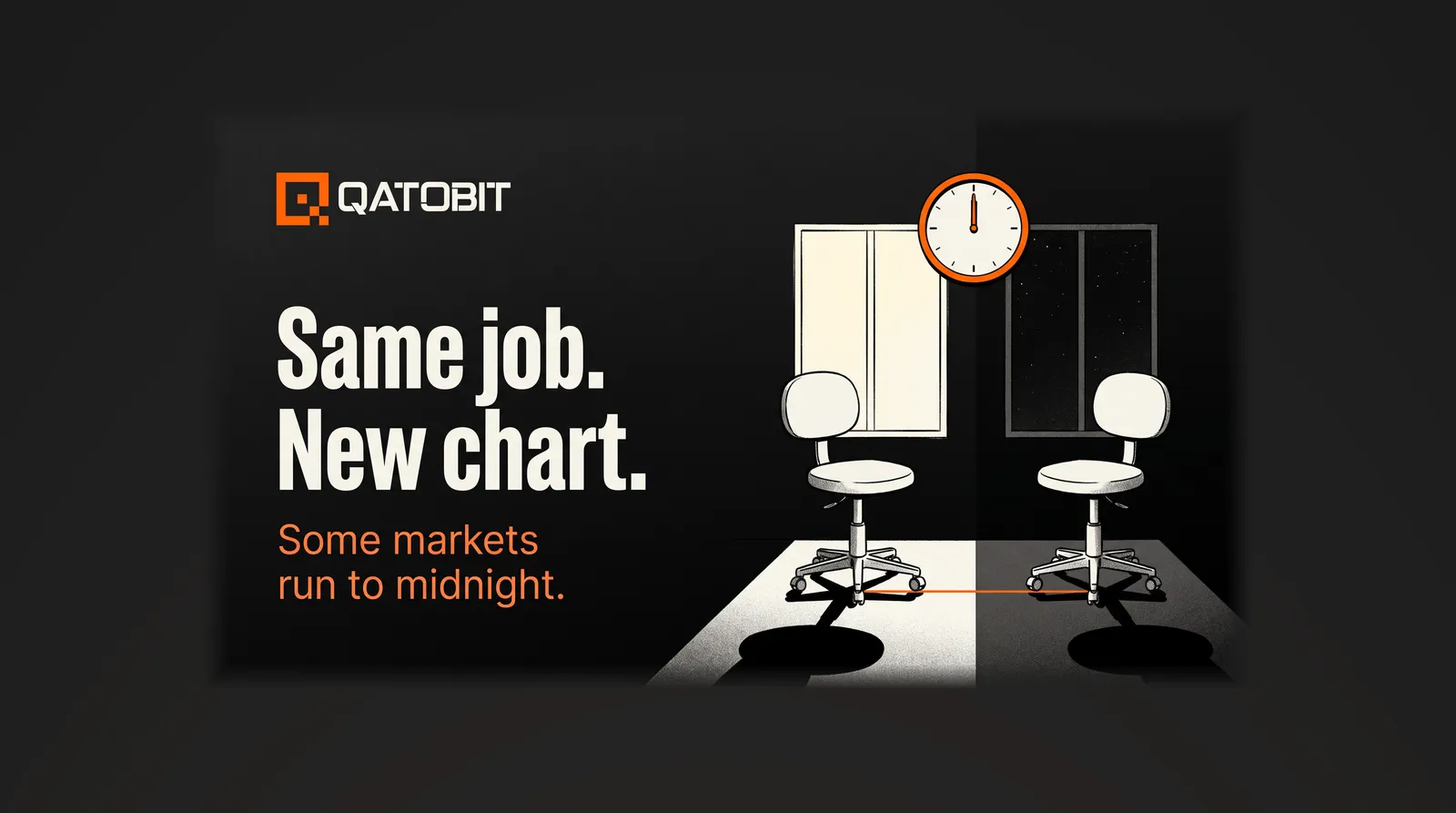
The Economic Times report says equity derivatives trading closes in the afternoon, while MCX allows trading in several commodities until almost midnight. Positions can be taken on developments in international markets after domestic equity markets have closed.
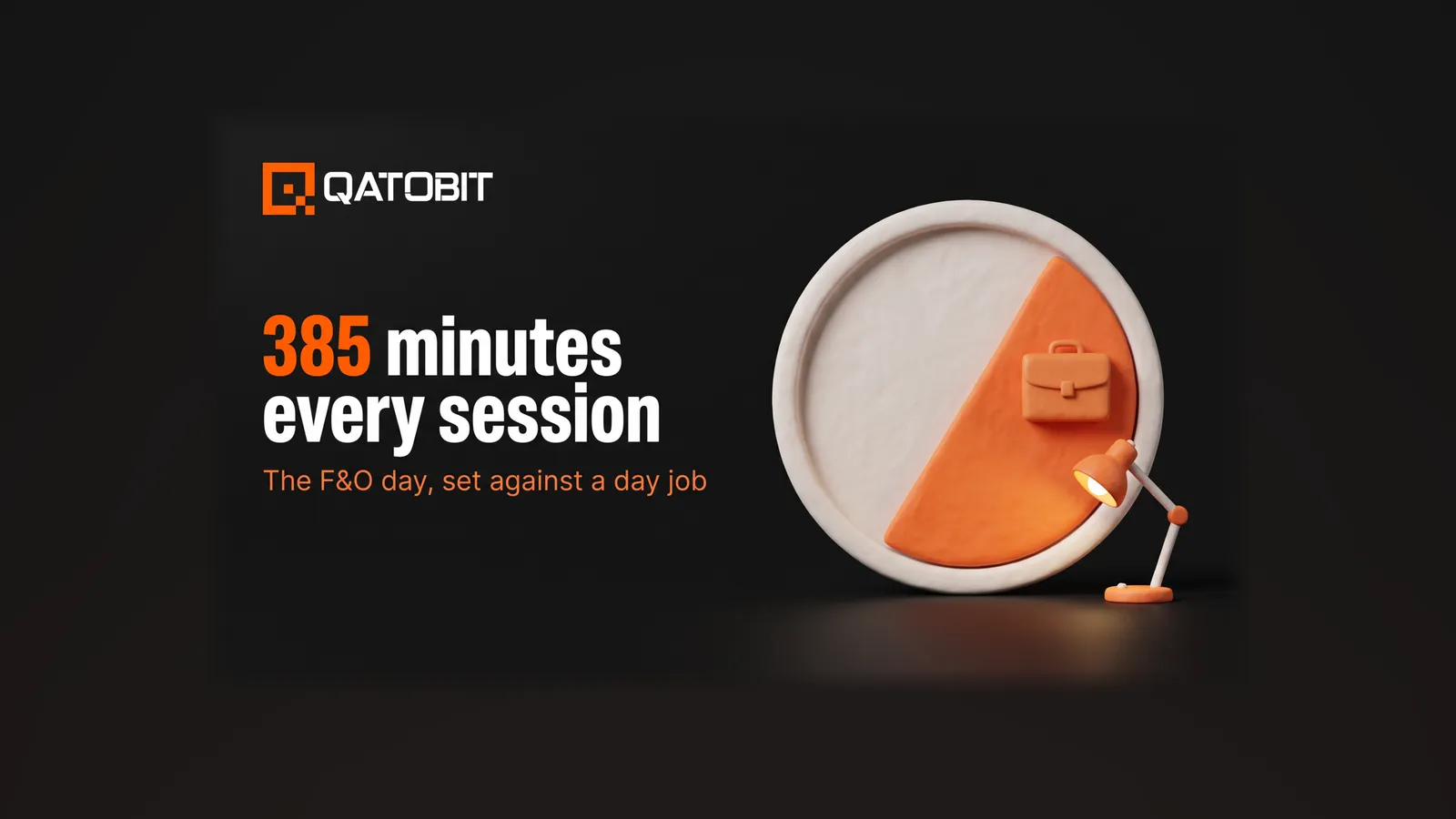
For a person with a career this reads as a benefit: the market is open when work is over. Read it as a job spec instead. A market that runs from the morning until nearly midnight needs a decision-maker for that whole window or a rule for when to be absent. A position held while you are away carries whatever the market does in your absence. The longer the window, the more of it you are not watching.
That is the first line of the spec. The exchange sets its hours, and a part-time trader's employer sets theirs.
What does a round trip cost?
Take one position and price it. The figures below come from Zerodha's published charges page, read on 3 November 2026. They are one broker's schedule and will differ at another.
For commodity futures, Zerodha lists brokerage of 0.03% or ₹20 per executed order, whichever is lower. It lists commodity transaction tax (CTT) of 0.01% on the sell side for non-agricultural contracts. MCX transaction charges are 0.0021%. SEBI charges are ₹10 per crore. Stamp charges are 0.002% on the buy side. GST is 18% on brokerage plus SEBI charges plus transaction charges.
Work through a ₹10 lakh futures position, bought and sold once:
- Brokerage: 0.03% of ₹10 lakh is ₹300, so the ₹20 cap applies. Two orders cost ₹40.
- CTT: 0.01% of the ₹10 lakh sell side is ₹100.
- MCX transaction charges: 0.0021% of ₹20 lakh turnover, buy and sell together, is ₹42.
- SEBI charges: ₹10 per crore on ₹20 lakh is ₹2.
- Stamp charges: 0.002% of the ₹10 lakh buy side is ₹20.
- GST: 18% of (₹40 + ₹2 + ₹42) = 18% of ₹84 = ₹15.12.
The total is ₹40 + ₹100 + ₹42 + ₹2 + ₹20 + ₹15.12 = ₹219.12 for the round trip, about 0.022% of the position.
That number is small. One trade is cheap, and a routine is where the cost builds. A trader who makes ten round trips a month on that size of position pays ₹2,191.20. At forty a month it is ₹8,764.80. The charges repeat with every decision, and the position has to earn them back before it earns anything else.
Source: Zerodha charges page, https://zerodha.com/charges/, read 3 November 2026. Rates change, so check the current schedule before you work the same sums for your own broker.
How many decisions does the job need?
Every round trip is two decisions made under uncertainty, an entry and an exit, plus whatever sizing and stop decisions sit between them. Ten round trips a month is at least twenty decisions, and options add a third, because the contract also expires.
A written rulebook is what makes those decisions repeatable: the entry rule, the size rule, the exit rule and the loss at which the person stops for the day. A trader without one is deciding from the chart in front of them at 10 pm after a full workday. A trader with one is running a process, and a process needs its own review time.
People skip this second line of the spec. Beyond charges, trading costs the hours spent making, checking and learning from decisions.
What does the job description look like, written out?
Read the spec as a list, then ask which line you can fill.
- Hours: the exchange window you intend to trade, plus time to prepare before it and review after it.
- Decisions: the number of entries and exits you will make in a week, and the rule behind each.
- Cost: the round-trip charges on your own broker's schedule, multiplied by the number of trades.
- Capital: the amount you can lose in a bad stretch without any change to your life.
- Rulebook: the written entry, size and exit rules that decide the first three lines.
Now write the same spec for a position you intend to hold for years. The hours line is near zero, the decisions line is one, and the cost line is a few charges a year. The loss line still applies, and the rulebook shrinks to a sentence. That spec is short.
Where does a Qatobit index fit into this?
An index is built for the second spec, the shorter one. Each QSI index is a permanent allocation product, not a trading instrument: a thesis held in your head rather than a ticker to chase. The investor makes one decision, which thesis fits their risk appetite and horizon, and the methodology runs everything after it.
The index rebalances monthly, so the monthly decision belongs to the methodology and not to you. The fee is 0.35% per basket transaction, including each rebalance, with no annual management fee and no exit load. On a ₹5 lakh lump sum in QSI Growth, the 0.35% fee on the buy is ₹1,750 (₹5,00,000 × 0.0035). A ₹25,000 monthly SIP is twelve instalments a year, and each one is a standing instruction instead of a fresh call.
Qatobit does not offer commodity derivatives, and nothing here is a view on whether any commodity will rise or fall. The decision about how many decisions you want to make comes before the decision about what to buy. To see how an allocation is set before any pick, read what asset allocation decides. For the structure behind a QSI basket, read what a crypto index is. For the discipline side of the same idea, read portfolio rebalancing when one holding falls 10 percent.
What the same job means for the next decision
The participation data tells you where traders went. It does not tell you whether the move improved anything for them, and no figure in this piece measures that. What the data does show is a market that stays open later and a job that needs a person in front of it for longer.
Before moving venue, fill the five lines of the spec for the new venue. If the hours line has no honest answer, the venue is not the fix. Allocation is the question that comes next: how much of a portfolio you want to put through that job at all.
Frequently asked questions
Why are traders moving from equity F&O to commodities?
The Economic Times, quoting Zerodha's Nithin Kamath, reports that commodity derivative traders rose about 62% to nearly 21 lakh in FY26. Equity F&O traders fell about 20% to 85 lakh. Kamath pointed to commodity volatility, the growth of MCX options and brokers pushing commodity options after equity markets close.
Does commodity trading close later than equity trading in India?
Yes. The Economic Times report says equity derivatives trading closes in the afternoon, while MCX allows trading in several commodities until almost midnight.
What does a commodity futures round trip cost?
On Zerodha's published schedule, a ₹10 lakh non-agricultural commodity futures position bought and sold once costs ₹219.12 in all charges. That is about 0.022% of the position, as read on 3 November 2026. Another broker's schedule will differ.
Is part-time commodity trading different from part-time equity trading?
The venue and the hours differ, and the job spec does not. Both need hours of attention, a repeatable set of decisions, a cost on every action, capital that can absorb a loss and a written rulebook.
How is a QSI index different from a trading position?
A QSI index is a permanent allocation product with a documented methodology and monthly rebalancing, not a trading instrument. The fee is 0.35% per basket transaction including each rebalance, with no annual management fee and no exit load.
Crypto investments are subject to market risk. Not financial advice.
“A better allocation begins with a better explanation.”
Qatobit principle
Published construction. Fixed cadence. Versioned control.