The point
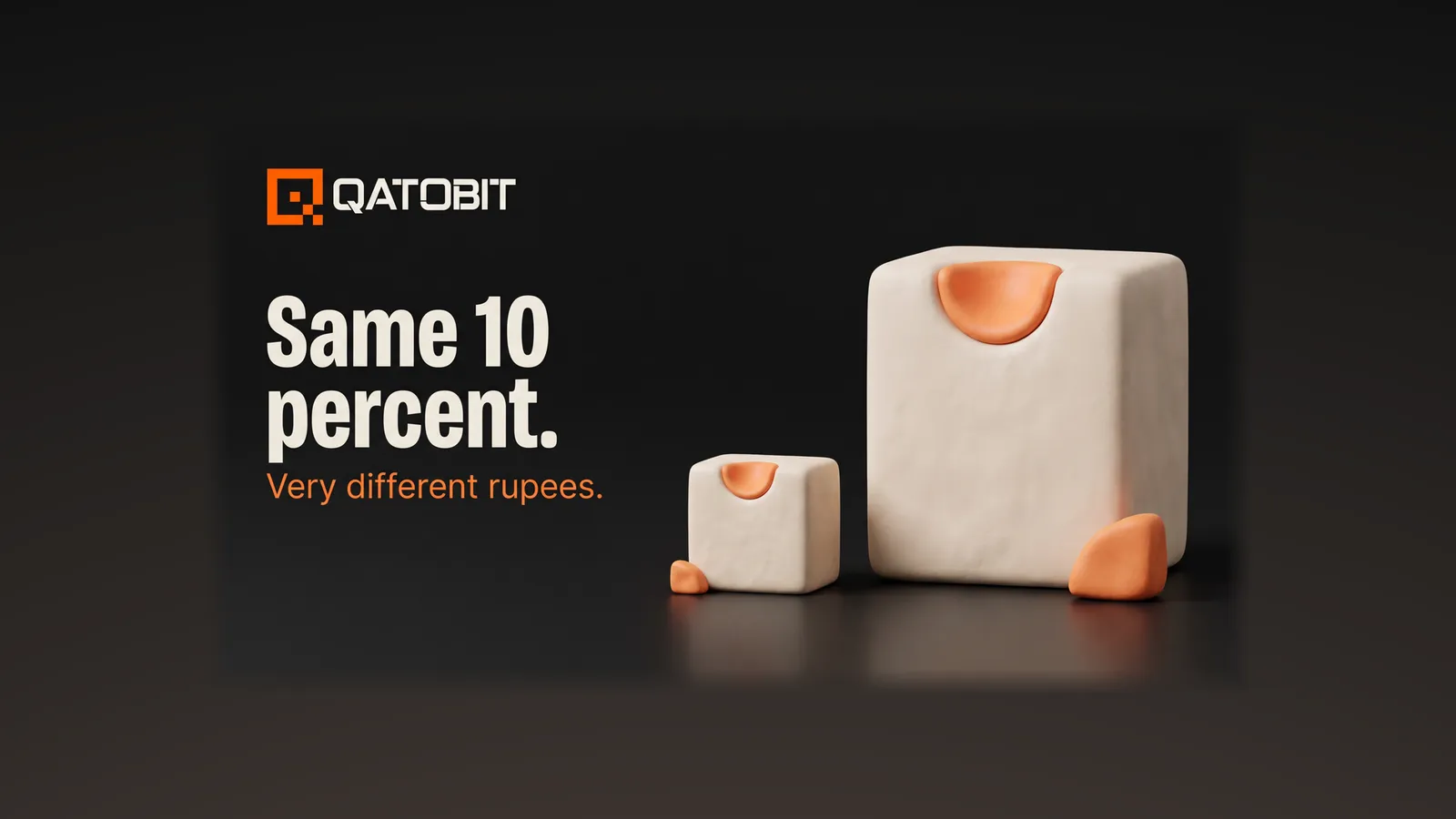
The percentage you lose in a mistake stays the same as a portfolio grows. The rupee amount does not. A 10 percent panic sale costs ₹50,000 on ₹5 lakh and ₹5,00,000 on ₹50 lakh, so past a certain size wealth creation is mostly the work of making smaller mistakes.
Is wealth creation about earning more, or about losing less?
Early on it is about earning more, and later it is about losing less. The switch happens quietly, and most people notice it late.
Tradejini's piece on the portfolio after the first ₹1 crore puts the turn between ₹50 lakh and ₹1 crore. Its worked figure is that a 12 percent return on ₹60 lakh is ₹7.2 lakh in a year, often more than the person puts in through instalments.
When the portfolio's own movement is larger than your yearly contribution, the contribution stops being the main event. What you do on a bad day is. We think the common advice, to keep raising returns as the base grows, points at the wrong lever.
What does one mistake cost at three sizes?
It costs the same percentage and a very different number. Take a 10 percent sale made in a panic, at the bottom of a fall, on three portfolio sizes.
On ₹5 lakh, 10 percent is ₹50,000. On ₹50 lakh it is ₹5,00,000. On ₹1.5 crore it is ₹15,00,000.
Now set that against a ₹25,000 monthly instalment. ₹15,00,000 ÷ ₹25,000 is 60 instalments, five years of contributions, gone in one decision. At ₹5 lakh the same mistake is two instalments.
Tradejini makes the same point. A 10 percent correction on ₹20 lakh is a ₹2 lakh dent, and on ₹1.5 crore it is ₹15 lakh, "same percentage, very different feeling."
That feeling is where the trouble starts. The rupee swings grow large enough to push even a disciplined holder into acting.
Which three mistakes scale the fastest?
Concentration, timing and borrowed money scale fastest, because each one multiplies the size of whatever the portfolio is already doing.
Concentration
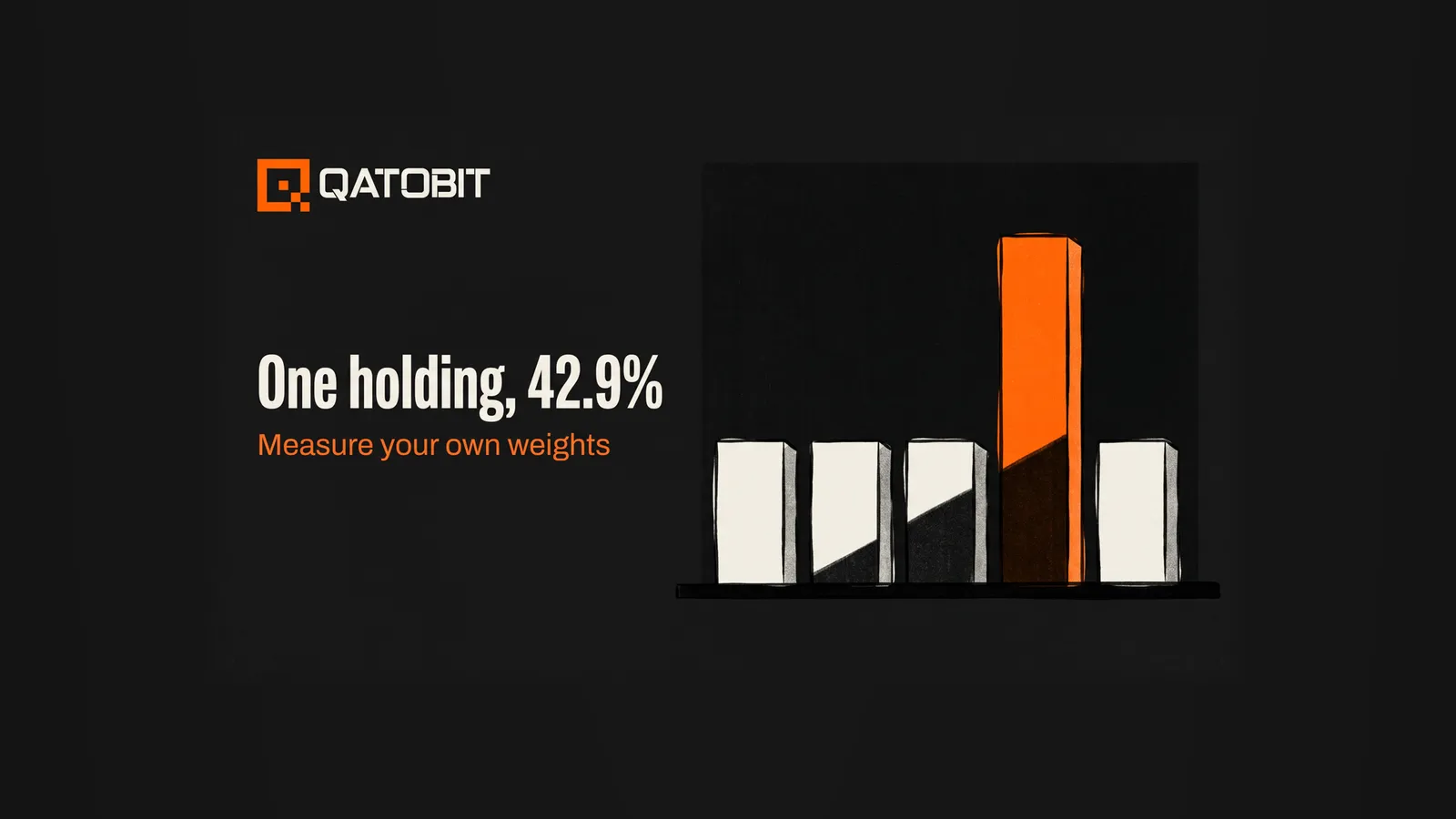
One holding that grew into a large share of the whole is a decision nobody remembers making. If it makes up 40 percent of a ₹50 lakh portfolio, it is ₹20 lakh, and a 30 percent fall in it removes ₹6 lakh. We cover the mechanism in concentration risk and how a few holdings decide everything.
Timing
Exiting after a fall and re-entering after a recovery is the panic sale above, repeated. Each one costs the percentage you missed times a base that keeps growing. A written schedule removes the choice, and how a flat stretch of instalments behaves shows what staying on it looks like.
Borrowed money
Leverage turns a 10 percent move into a larger one on your own capital. The arithmetic is laid out in what borrowed money does inside a portfolio. On a small base a margin call is a bad month. On a large one it is a forced sale of the thing you built.
Dezerv, which says it has analysed more than 500,000 portfolios, makes a related claim. For a ₹2 crore portfolio, it says, a set of seven recurring mistakes can cost ₹10 lakh to ₹50 lakh over a decade. That is Dezerv's own estimate, cited here only for the size of the problem.
Why do rules written while small protect a large portfolio?
A rule written before the money is large never has to win an argument with your nerves later.
At ₹5 lakh, a sale in a bad week is annoying. At ₹1.5 crore, the same week asks for a decision about ₹15 lakh, made in the worst mood you will have all year. A rule fixes the answer in advance.
The rule can be small. Keep no single holding above a share you wrote down. Move money on a date, not on a headline. Write what would make you sell before you own the thing.
We would go further. A portfolio past ₹1 crore with no written rules runs on the habits of a ₹5 lakh portfolio, with a much larger penalty for every lapse of attention.
Where does a published index rule fit?
It fits as a decision that was made before the size made it hard. A Qatobit index is designed and rebalanced monthly by Qatobit on a published methodology, so the basket is set by rules and a schedule carries the rebalance.
The investor makes one decision, the thesis that fits their risk appetite and horizon. Everything after that runs on the methodology. Nothing is charged for leaving an index, at any holding period, and the only charge on a basket is 0.35 percent when a rebalance happens, with no annual management fee.
An index can still fall. What the rules remove is one kind of mistake, the one made by a person alone with a screen. If crypto is one sleeve of a larger portfolio, you can invest in QSI Growth or start a Bitcoin SIP. The schedule then does the work that willpower does badly. The two job descriptions of investing and trading set out which of the two you are actually doing.
How do you work out your own mistake size?
Write down the rupee value of your largest single holding. Then the rupee cost of a 10 percent fall in the whole portfolio, and the number of monthly instalments that cost equals.
If the third number is above 24, a single bad decision erases two years of saving. That is the figure to design the rules around. What risk appetite means and how to measure yours in rupees walks through the first step.
Wealth creation at this size is a defensive job. The ₹25,000 you add each month matters less than the one decision you did not make in a panic.
Frequently asked questions
What is wealth creation in practice?
Wealth creation is growing the rupee value of what you hold over years, through contributions, time and avoiding large losses. Past a certain size, avoiding one large loss often matters more than adding another instalment.
Why do mistakes cost more as a portfolio grows?
The percentage lost stays the same and the base gets bigger. A 10 percent loss is ₹50,000 on ₹5 lakh and ₹5,00,000 on ₹50 lakh, so the same error costs ten times as many rupees.
Which mistakes matter most for a large portfolio?
Concentration in one holding, selling and re-entering on timing, and borrowing against the portfolio. Each one multiplies the size of whatever the portfolio is already doing, up or down.
Should I change my approach after my first ₹1 crore?
Keep the discipline and change the posture. Tradejini says the habits that built the portfolio may need tempering once the base is large, because the rupee swings are big enough to trigger emotional decisions.
How does a rule-based index help with this?
A published methodology and a monthly rebalance schedule decide the basket before a bad week arrives. The only charge on a Qatobit index basket is 0.35 percent per rebalance, with no annual management fee and nothing to leave.
Crypto investments are subject to market risk. Not financial advice.
“A better allocation begins with a better explanation.”
Qatobit principle
Published construction. Fixed cadence. Versioned control.